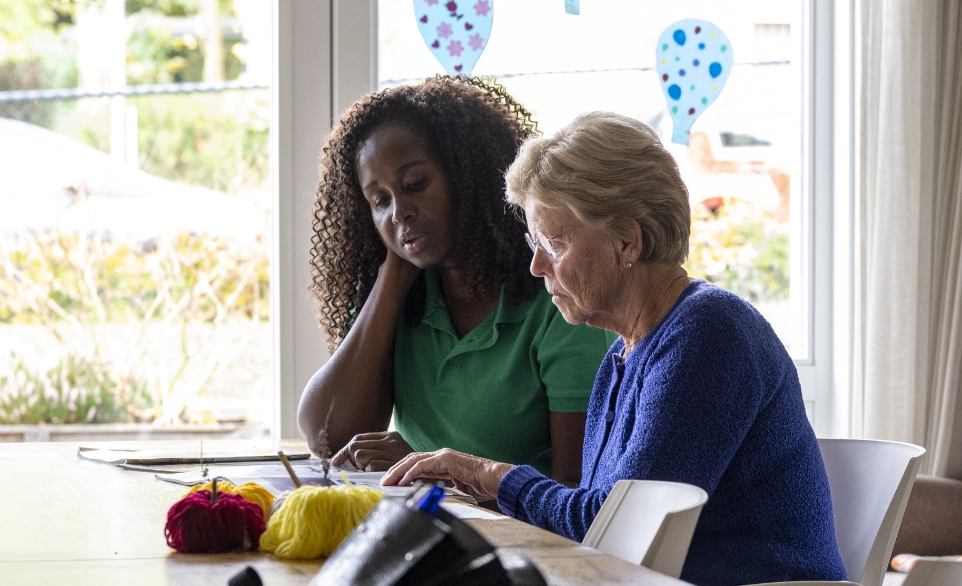


Tackling isolation in the care sector and how to strengthen team identity.
One of the greatest challenges in homecare is also one of the most overlooked: isolation.
Unlike hospital or residential care staff, homecare workers often operate alone — driving from client to client, spending hours on the road, and going entire days without seeing a colleague.
For many, it can feel like they’re working in a vacuum, disconnected from the team, the company, and sometimes even the mission.
And yet these same individuals are the face of your service — the ones families trust most, the ones delivering your promises, the ones holding your reputation in their hands.
That’s why, at Big Sister, we created United in Care — to help care businesses build cultures of belonging, where no carer feels like “just a lone worker” and every team member feels valued, supported, and connected.
Explore more practical tips in the United in Care YouTube Playlist.
Why Isolation Is So Common in Homecare
The structure of domiciliary care makes isolation inevitable — unless you actively work to counter it.
Carers:
- Work one-to-one with clients in their homes
- Rarely visit a central office
- Operate across wide geographic areas
- Often have limited interaction with other team members
- May only communicate via rota apps or brief texts
It’s easy for them to feel like contracted individuals, not valued team members — and that creates serious problems.
The Impact of Isolation on Carers
When carers feel isolated, you’ll often see:
- Lower morale
- Higher turnover
- Decreased sense of responsibility
- Reduced commitment to your company’s values
- Poorer communication between carers and office staff
- Increased mental health concerns
And when carers feel disconnected, clients feel it too.
Inconsistent care, rushed visits, and low engagement become the norm.
Download our Team Belonging Health Check in the United in Care Playlist.
Why Belonging Is the Cure — Not Just “More Meetings”
To fix isolation, you don’t need to drag carers into constant meetings. You need to foster a sense of belonging — the belief that:
- “I matter here.”
- “My work makes a difference.”
- “I’m part of something bigger.”
- “My voice is heard.”
- “This is my team.”
Belonging is a powerful predictor of:
- Retention
- Job satisfaction
- Performance
- Client outcomes
- Organisational resilience
How to Help Lone Workers Feel Like Part of the Team
Here are 7 proven strategies to move carers from isolated to included, without overloading your operations team:
1. Reframe the Identity from “Lone Worker” to “Care Team Member”
Language shapes perception.
Stop referring to carers as “field staff” or “lone workers.”
Start calling them care professionals, team members, or client-facing leaders.
When you reinforce their importance, carers start seeing themselves as an essential part of the business — not an afterthought.
Learn more in our Identity and Culture Language Guide in the United in Care Playlist.
2. Use WhatsApp (or another platform) to Create Daily Connection
A single message each day — with encouragement, news, or a thank you — helps carers feel noticed and included.
Even better: use voice notes or videos from the leadership team.
Bonus:
- Let carers share their own wins, challenges, or thoughts.
- Create connection between staff, not just to the office.
3. Introduce Peer Buddy Systems
Match new carers with more experienced team members.
- Encourages relationships
- Improves knowledge sharing
- Builds loyalty early in their journey
Even a single weekly check-in between buddies can make someone feel less alone in the work.
Download our Peer Buddy Pack inside the United in Care Playlist.
4. Celebrate the Small Things
Belonging doesn’t require grand gestures.
It thrives in:
- Birthday shoutouts
- “Thank you” texts
- Highlighting good feedback from clients
- Recognising years of service or completed training
Carers are more likely to stay when they feel seen.
5. Invite Carers into Decision-Making
Ask their opinion on:
- New systems
- Uniform preferences
- Training priorities
- Scheduling preferences
Even if you can’t implement every suggestion, the act of asking creates shared ownership of the workplace culture.
6. Hold Optional Social Meetups or Team Lunches
Even once a quarter, getting people together can create lasting bonds.
Options include:
- Virtual coffee mornings
- Local meetups by region
- Recognition lunches for long-serving staff
Create moments of real connection — they pay dividends in retention.
7. Connect Them Back to the Mission
Carers who feel disconnected from the bigger picture often lose motivation.
Remind your team:
- Why your company exists
- The difference they make in people’s lives
- The vision you’re working toward together
When people feel part of something meaningful, they show up differently.
Explore our “Purpose in Practice” training inside the Life in Care Playlist.
United in Care: Helping Carers Feel Like They Belong
The United in Care philosophy is simple:
- No one should feel like they’re delivering care alone
- Everyone should feel part of a mission
- Culture is not limited by location
Through free resources, playlist trainings, team tools, and leadership guides, we help care companies foster connection in every direction — from carers to clients, managers to staff, office to field.
- Watch the United in Care YouTube Playlist here
- Follow us on Instagram @bigsisterhomecare for team-building inspiration
- Join Big Sister and create a care business built on belonging
Quick Links: