
The care sector exists to nurture life — to restore, to protect, to help people thrive. Yet, like every industry, care generates waste: from PPE and packaging to paper records and used equipment. Historically, this waste was seen as inevitable — a by-product of providing essential services.
But the future of care is changing. Across the UK, forward-thinking providers are beginning to reimagine what waste really means — not as something to dispose of, but as a resource to repurpose. This is the foundation of the circular care economy.
In a world where sustainability is now a measure of business excellence, the most resilient care providers are those transforming waste streams into value streams.
-
What is a Circular Care Business?
The term circular economy refers to an economic model designed to eliminate waste and continually reuse resources. Instead of the traditional take-make-dispose approach, the circular model focuses on reduce, reuse, repair, recycle.
In a care context, this means looking at every aspect of your operations — from PPE and uniforms to office supplies and packaging — through the lens of resource efficiency and regeneration.
A circular care business is one that:
- Minimises waste at every stage of service delivery.
- Reuses, repairs, or repurposes equipment where safe and compliant.
- Works with suppliers who offer recyclable or biodegradable alternatives.
- Tracks and reports on waste reduction as part of its sustainability strategy.
By closing the loop on waste, care providers can cut costs, reduce environmental impact, and demonstrate genuine innovation in an increasingly competitive market.
-
Why Circularity Matters in the Care Sector
The care industry consumes vast quantities of materials, particularly in homecare and residential settings. Think gloves, aprons, wipes, medication blister packs, packaging, and single-use cleaning materials — all of which often end up in landfill.
Circular thinking changes this. It allows providers to:
- Save money by reusing or repairing rather than replacing.
- Reduce waste disposal costs, which can be substantial for larger providers.
- Improve tender success rates, as sustainability and social value are now key evaluation criteria.
- Enhance reputation with commissioners and clients who value environmental responsibility.
Circularity isn’t just about the planet — it’s about performance. Businesses that waste less, spend less, and innovate more always come out stronger.
-
Rethinking Waste in Everyday Operations
Every care business produces waste, but not all waste is the same. The first step towards circularity is understanding where it comes from and what can be done about it.
Common waste streams in care:
- PPE and disposables: gloves, aprons, masks, wipes.
- Paper and admin waste: care plans, timesheets, policies.
- Office waste: ink cartridges, electronics, packaging.
- Clinical and medical waste: dressings, sharps, medication packaging.
- Consumables: cleaning supplies, food containers, paper towels.
Once identified, providers can assess each stream’s potential for reduction, reuse, or recycling. For instance:
- Move from paper to digital records where possible.
- Choose suppliers offering take-back or recycling schemes for PPE.
- Switch to concentrated or refillable cleaning products.
- Donate or repurpose old electronics and uniforms.
Every small improvement adds up — and collectively, they create measurable impact.
-
Turning Waste Streams into Value Streams
The true innovation of the circular model lies in transforming waste into something useful — even profitable. Here’s how care businesses are doing just that:
Recycling into Revenue
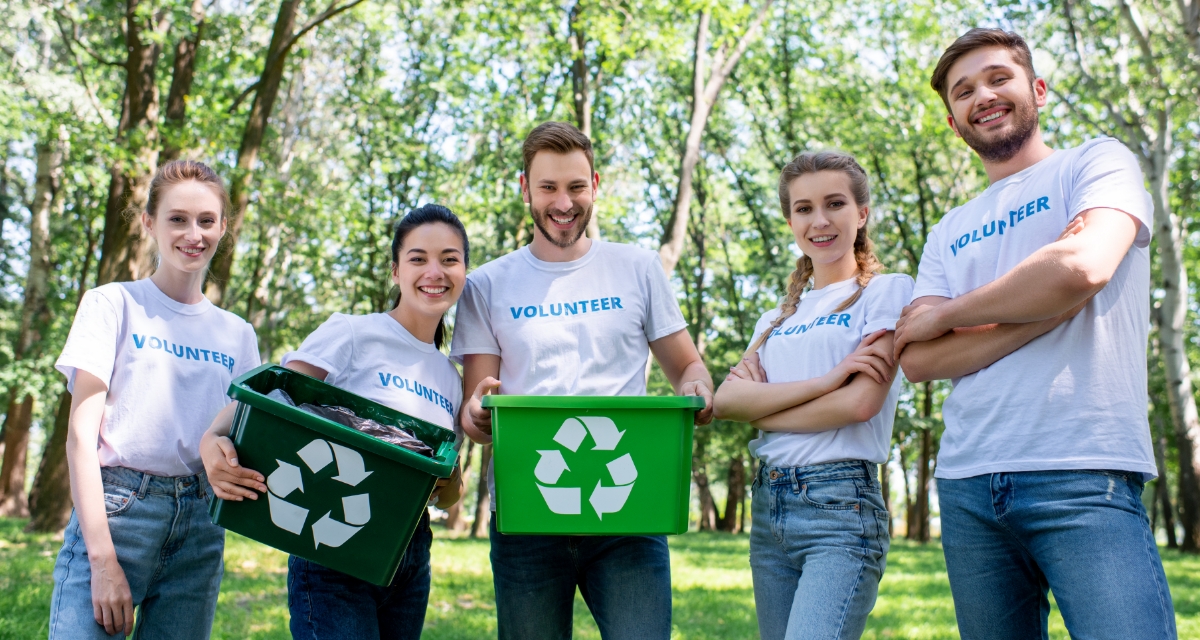
Some providers are partnering with recycling firms to turn specific waste items, such as used gloves or aprons, into raw materials for new products. In return, they receive rebates or reduced disposal costs.
Energy Recovery
Certain forms of non-recyclable waste can be converted into energy through approved waste-to-energy facilities, contributing to renewable energy generation.
Upcycling and Repurposing
Outdated uniforms, for example, can be donated to training academies or repurposed into reusable cleaning cloths. Obsolete technology can be refurbished and provided to community initiatives, bridging the digital divide.
Carbon Credits and Offsetting
By measuring and reducing waste output, care providers can participate in carbon offset programmes — generating quantifiable data that can be reported in tenders and ESG documentation.
Circularity is not just an environmental choice — it’s a new revenue stream waiting to be tapped.
-
Working with Circular Supply Chains
To build a circular care business, your supply chain must align with your values. This means partnering with suppliers and manufacturers who prioritise sustainability at every stage.
Ask key questions such as:
- Do they offer bulk refill options or packaging take-back schemes?
- Are their materials recyclable, compostable, or biodegradable?
- Can they provide evidence of sustainable sourcing?
- Do they have clear environmental certifications (e.g. ISO 14001)?
By selecting the right partners, you extend your circular impact far beyond your own operations — supporting a chain of responsibility that benefits everyone.
At Big Sister, our SafeSister initiative is exploring long-term partnerships with UK-based PPE and consumables suppliers who embrace circular principles, ensuring that care businesses have easy access to ethical and sustainable options.
-
Empowering Staff to Think Circular
Circularity only works when everyone understands it. Care staff, office teams, and even clients play a role in closing the loop.
Practical steps to engage your team include:
- Training sessions on waste segregation and recycling best practice.
- Introducing “Green Champions” in each branch or region.
- Displaying clear signage for different waste streams.
- Rewarding staff suggestions that reduce waste or improve efficiency.
When sustainability becomes part of everyday decision-making — not an afterthought — your entire organisation begins to shift from consumption to conservation.
-
Leveraging Data to Drive Change
To prove progress, you need data.
Start recording your waste metrics — the amount of waste generated, recycled, or diverted from landfill — and review them quarterly.
Software systems and digital tools now make it easy to track waste and carbon output. This data can then be used to:
- Benchmark performance over time.
- Inform your Care for the Future sustainability reports.
- Support bids that require quantifiable ESG evidence.
Measurement turns good intentions into actionable results — and buyers increasingly expect to see those numbers.
-
Circularity as a Competitive Advantage
The government’s Social Value Model has made it clear: organisations that can demonstrate environmental impact will stand out in procurement.
Circularity gives care businesses a clear edge. By embedding circular practices, you’re able to evidence:
- Reduced waste and emissions.
- Local partnerships with recycling and sustainability firms.
- Staff engagement and awareness training.
- Innovation through reuse and resource efficiency.
When buyers see that you’re not just talking about sustainability but actively reshaping your operations around it, your credibility — and your tender scores — rise significantly.
-
The Bigger Picture: Circular Care for Communities
The circular model doesn’t stop at materials — it applies to people too.
A circular community is one where value continuously flows:
- Unemployed individuals are trained to become carers.
- Older carers mentor younger recruits.
- Surplus resources are shared among local providers.
Circularity in care means nothing is wasted — not time, not skills, not opportunity. It’s a mindset of regeneration that extends from environmental impact to social transformation.
At Big Sister, this is what we call sustainable sisterhood — a care economy where businesses grow stronger together through shared responsibility and purpose.
-
A Vision for the Future
Imagine a care business where:
- Every disposable item has a sustainable replacement.
- Every supplier is part of a closed-loop network.
- Every branch reports zero landfill waste.
- Every team member understands their environmental role.
This isn’t wishful thinking — it’s already happening. The technology, the suppliers, and the frameworks exist. What’s needed now is leadership — the courage to think differently and act boldly.
Circularity is the next evolution of care — one where compassion and conservation work hand in hand.
Final Thoughts
Every business in the care sector has a choice: to continue the linear “take, use, waste” model, or to embrace a circular approach that sustains both people and planet.
By turning waste streams into value streams, care providers can reduce costs, increase efficiency, and build lasting social and environmental impact.
The future of care is circular — and the time to begin is now.
Call to Action:
Join the Care for the Future Network and gain access to sustainability resources, supplier partnerships, and circular care case studies.
Watch our Playlist on YouTube, and visit www.bigsistercare.com to take the pledge today.