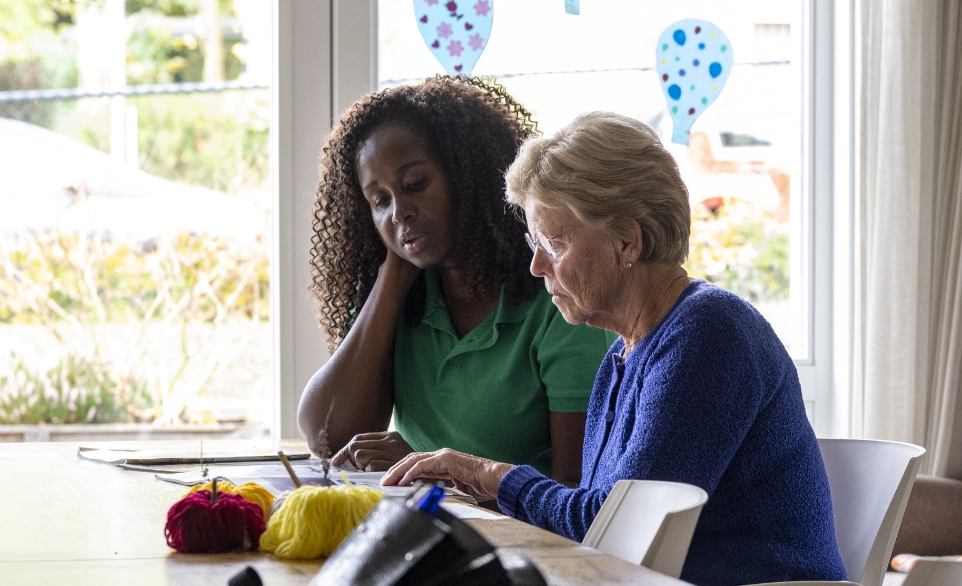


Caring isn’t just a job — it’s a calling. A responsibility. A weight carried in tender hands and an instinct felt in the gut. It’s early mornings, late nights, split shifts, endless lists, emotional labour, and a heart that rarely gets a day off.
Behind every homecare visit, behind every medication reminder, every shower given, every meal prepared, and every smile offered, there is a human being who gives a piece of themselves — every single day.
This blog honours them.
The quiet heroes of our communities.
The backbone of the care sector.
The women and men who show up, even when they are exhausted… even when no one is watching.
Through real stories (anonymised), this is a window into what a day in the life of a carer truly looks like. Not the polished version — the real one.
5:45am – The Alarm No One Sees
Most carers start their day before the rest of the world has stretched its arms.
Alarm.
Snooze (if they’re lucky).
Up.
Uniform on. Hair tied back. Bag packed. Quick tea if there’s time.
Take Maya, a carer from Yorkshire.
Her first call is at 6:30am. She has children of her own, so mornings are a dance of school bags, breakfast bowls, and checking the rota for the fifth time because yesterday’s rota changed three times. She leaves the house quietly so she doesn’t wake her youngest.
Her day hasn’t officially begun, but she’s already given.
6:30am – The First Call
Morning calls are often the heaviest. Medication rounds. Personal care. Toileting. Mobility support. Breakfast preparation.
Maya arrives at Mr. Stewart’s house. He lives alone since his wife passed. His mobility is limited, and mornings can be overwhelming. Maya helps him wash, dress, and prepare his breakfast. She checks his medication and writes clear notes for his daughter who visits weekly.
Before leaving, she fills his kettle and leaves a biscuit next to it because she knows it makes him smile.
He looks at her and says,
“Thank you, love. I couldn’t do it without you.”
It’s seven words — but they keep her going all day.
8:00am – The Rush Between Calls
Many carers don’t get paid travel time. That means the clock is ticking.
Traffic.
Parking.
Lifting bags.
Climbing stairs.
Finding keys.
Juggling gloves, aprons, paperwork, and dignity.
Take Sarah, a carer in Manchester. She visits 12 clients a day. She told us she sometimes eats breakfast in her car between calls. On tough days, she doesn’t eat at all until late afternoon.
But every door she walks through, she puts her client first.
Carers become therapists, cleaners, nutritionists, physios, advocates, protectors… whatever that client needs in that moment.
10:00am – Emotional Labour No One Writes Down
Carers support people through fear, loneliness, grief, illness, and confusion.
One carer shared:
“I once stayed 10 minutes after my call because my client cried the whole time. She said I was the only person she had spoken to in two days. You can’t clock out on that.”
Carers hold stories that stick to their hearts.
- Stories of love.
- Stories of loss.
- Stories of resilience.
This emotional support isn’t in the job description — but it’s one of the most valuable parts of the job.
12:30pm – A Moment to Breathe (Maybe)
Lunch breaks often don’t exist in reality.
Carers grab a sandwich from the petrol station.
They sit in their car scrolling through texts: family messages, missed calls, rota changes, requests to cover shifts, and notifications from the office.
Carers rarely say no — even when they should — because they know that if they don’t go, someone vulnerable may miss essential care.
1:00pm – Unexpected Challenges
Every day is unpredictable.
A fall.
A missed medication.
A confused client.
A distressed family member.
A safeguarding concern.
A key that won’t turn.
A wheelchair that won’t lock.
Carers adapt instantly.
Take Amira, a carer working in Birmingham. A routine lunch call turned into an emergency when her client collapsed. She called 999, stayed calm, performed first aid, comforted the client’s frightened neighbour, and then stayed until the ambulance left.
Afterward, she sat in her car, shaking — but she still continued to her next visit.
This is the reality: carers don’t get time to process. They move on because someone else needs them.
3:00pm – The Afternoons of Paperwork and Patience
Afternoon calls often involve housekeeping, companionship, or supporting complex conditions like dementia. Patience becomes the most important skill.
Carers remind clients who they are, where they are, and what day it is — sometimes ten times in one hour.
They de-escalate confusion, calm agitation, and help soothe clients who don’t remember why they’re crying.
This is care that goes deeper than tasks. This is humanity.
5:00pm – The Evening Routine Begins
Dinnertime medication.
Support with eating.
Washing up.
Helping clients settle and feel safe.
For many clients, evenings are the loneliest.
Carers often walk into a home carrying not just their bags — but warmth.
Carer Lewis, from Bristol, said it beautifully:
“Some clients just want someone to sit with them for five minutes so the silence isn’t so loud.”
Those five minutes can change a whole night.
7:00pm – Back Home… But Not Really Off
Many carers go home after a 12-hour day, only to jump into family responsibilities.
Dinner.
Children.
Laundry.
Checking tomorrow’s rota.
Replying to managers.
Preparing uniforms.
Worrying about the clients they saw today.
Their bodies are tired, but their minds are still working.
The Invisible Weight Carers Carry
What carers carry each day:
- The physical strain of lifting, turning, and supporting people
- Emotional exhaustion from absorbing others’ pain
- The responsibility of keeping people safe
- Inconsistent shifts
- Rising fuel costs
- Low pay
- Rota changes
- Pressure to cover shifts
- Compassion fatigue
- The fear of making a mistake
- The feeling that no one sees how hard they work
And yet—
They show up.
Every day.
With heart, dignity, and strength.
This is why Big Sister exists:
To support the people who support everyone else.
Why We Tell These Stories
Carers are often overlooked, yet they are the foundation of our care system.
By sharing these real stories, we aim to:
- Shift public perception
- Highlight carers’ resilience and humanity
- Inspire pride within the care community
- Remind carers: you are not alone
- Strengthen the collective voice for better pay, conditions, and respect
Each story shows the truth: carers are not “unskilled workers.”
- They are essential.
- They are skilled.
- They are irreplaceable.
Big Sister’s Commitment to Carers
Through Carer Academy and #ResilientSister, our mission is to:
- Provide training that builds confidence and leadership
- Support wellbeing, resilience, and mental health
- Create a community where carers feel seen, valued, and supported
- Offer professional development pathways from care assistant to manager
- Celebrate carers every single month — not just on Carers Week
Watch our Life in Care Playlist on the @bigsistercare YouTube channel, follow @bigsisterhomecare on Instagram for ongoing updates.
If you are a carer reading this:
Your work matters more than you know.
You change lives every day.
And Big Sister is here, standing beside you — proudly.
A Final Word: You Are the Heart of Care
When we talk about the care sector, we talk about frameworks, regulations, funding, and inspections.
But the real truth is this:
The care sector runs on people.
And carers are its beating heart.
To every carer who wakes up early, stays late, goes the extra mile, wipes tears, holds hands, completes endless notes, advocates fiercely, loves deeply, and keeps going even when you’re tired—
Thank you.
We see you.
We appreciate you.
You are extraordinary.