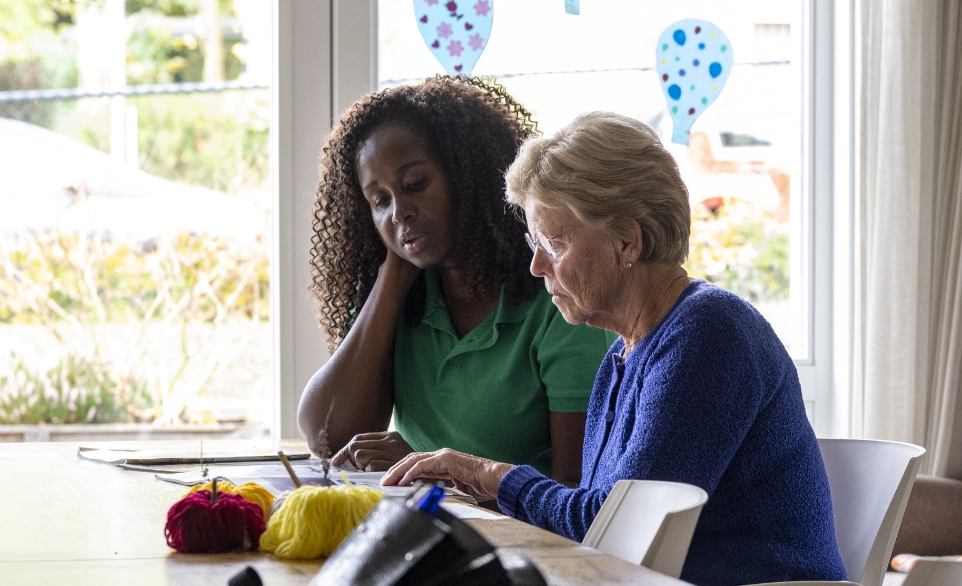


For too long, home-care providers have been seen as silent heroes — working behind closed doors, supporting clients in isolation, and filling gaps left by overstretched systems. Yet, beyond those quiet acts of care lies an extraordinary opportunity.
Home-care services aren’t just service providers; they’re community anchors. They are uniquely placed to bring people together, strengthen local networks, and reduce isolation — not just for clients, but for families, carers, and neighbourhoods as a whole.
In an era where loneliness is recognised as one of the UK’s most pressing public health challenges, home-care providers hold the power to help rebuild the social fabric of our communities. This blog explores how the journey from isolation to integration can transform both care businesses and the communities they serve.
-
The Hidden Cost of Isolation
Loneliness is often described as the “silent epidemic” — and for good reason. Research shows that chronic loneliness can be as harmful to health as smoking 15 cigarettes a day. It increases the risk of depression, heart disease, and even premature death.
For many home-care clients, social isolation is an everyday reality. Limited mobility, bereavement, and loss of independence can gradually shrink their world. Carers often become their only regular visitors — their lifeline to human connection.
But what if care providers could do more than manage isolation? What if they could eliminate it — by becoming true community connectors?
-
The Role of Home-care Providers in Community Integration
Home-care sits at the heart of local life. Every day, carers travel through streets, estates, and villages, witnessing the challenges and strengths of the communities they serve. This gives them a unique insight into what’s missing — and where opportunities for connection lie.
By broadening their focus beyond individual care plans, providers can:
- Spot patterns of loneliness and refer clients to local groups.
- Create partnerships with voluntary organisations and social enterprises.
- Host community events that bring clients, families, and neighbours together.
- Empower carers to act as ambassadors for local wellbeing.
This shift — from service delivery to social impact — transforms home-care into a bridge between the home and the wider world.
-
Redefining Care as a Community Asset
Care providers are often viewed as external contractors. But in reality, they are deeply embedded within communities — often employing local people, supporting local economies, and engaging with vulnerable residents daily.
Becoming a community anchor means embracing that identity fully.
A community anchor is:
- Visible — recognised as part of the local landscape, not hidden behind office doors.
- Collaborative — working alongside councils, charities, and healthcare services.
- Empowering — helping individuals build confidence, independence, and connection.
- Sustainable — reinvesting time, energy, and expertise into community wellbeing.
In this model, care is not a service to the community; it’s a partnership with the community.
-
Practical Ways to Build Community Connection
Becoming a community anchor doesn’t require vast resources — just creativity, collaboration, and consistency. Here are practical steps every provider can take:
Host Community Coffee Mornings
Invite clients, families, and neighbours to regular social sessions hosted at your office, a local hall, or even online. These small gatherings can spark big connections.
Partner with Local Organisations
Work with libraries, faith groups, or community centres to co-host wellbeing events, training sessions, or seasonal celebrations.
Launch a ‘Carers in the Community’ Programme
Encourage staff to volunteer a few hours a month supporting community initiatives, such as befriending schemes or local charity drives.
Create Connection Hubs
Turn your office reception into an information point for community support — signposting local clubs, benefits advice, or social activities for older adults.
Support Local Schools and Colleges
Deliver talks on career pathways in care or invite students to join shadowing or work experience schemes. This builds intergenerational bridges and promotes the value of caring careers.
Each of these actions contributes to a powerful ripple effect: fewer isolated individuals, stronger community identity, and a richer sense of shared purpose.
-
Empowering Carers as Community Champions
Carers are the eyes and ears of their communities. They see first-hand when clients are struggling or when small changes could make a big difference. By training and empowering them as community champions, providers can amplify their social impact tenfold.
Practical ways to do this include:
- Offering short training on identifying signs of loneliness or social withdrawal.
- Encouraging carers to share community resource updates during visits.
- Recognising and rewarding carers who go above and beyond to connect clients with others.
When carers see their work as part of a bigger mission — helping not just individuals but whole communities thrive — their sense of pride, purpose, and belonging increases.
It’s not just good for clients; it’s good for morale and retention too.
-
The Business Benefits of Community Integration
Becoming a community anchor doesn’t just enhance wellbeing — it strengthens your business in tangible ways.
Here’s how:
- Reputation: A visible, community-oriented care provider builds trust with clients, families, and commissioners.
- Recruitment: People want to work for organisations that make a difference locally.
- Tender success: Many councils now score providers on social value and community impact.
- Client loyalty: Families are more likely to recommend providers that are actively involved in their area.
In short, when you invest in your community, it invests back in you.
-
Measuring Your Impact
To sustain momentum and demonstrate value, track and measure your community engagement efforts.
Consider recording:
- Number of community partnerships or collaborations.
- Attendance at social events or drop-ins.
- Feedback from clients and families.
- Volunteer hours contributed by staff.
- Press or social media mentions of your initiatives.
By capturing and reporting these metrics, you’ll have tangible evidence to include in annual reports, tender submissions, and marketing materials.
Transparency not only strengthens your credibility — it inspires others to follow suit.
-
Overcoming the Barriers to Integration
Every transformation faces challenges, and community integration is no exception. Providers often worry about capacity, cost, or compliance. But integration doesn’t mean overextending — it means working smarter with what you already have.
Start small. Begin with one event, one partnership, or one new routine. For example:
- Add “community engagement” as a standing item in your monthly management meeting.
- Assign one staff member to act as your Community Liaison Lead.
- Use social media to share uplifting local stories or partnership highlights.
Integration is a journey — not a project with an end date. Each step builds momentum, visibility, and trust.
-
The Role of Leadership
Leadership plays a crucial role in setting the tone for community engagement. Registered Managers and Directors must model openness, collaboration, and social responsibility.
Strong leaders:
- Empower staff to take initiative and connect locally.
- Celebrate every act of community involvement.
- View engagement as part of quality, not just compliance.
- Build relationships with local influencers, from councillors to community group leaders.
When leaders embody the “United in Care” mindset, the rest of the organisation follows. Culture begins at the top — but community begins with everyone.
-
The Big Sister Vision: United Communities of Care
At Big Sister, we believe the future of care lies in integration, collaboration, and community. Through initiatives like United in Care and Care for the Future, we’re supporting providers to move beyond isolation — helping them become the anchors that keep communities strong.
Whether through shared knowledge, local partnerships, or sustainability pledges, the care businesses in our network are redefining what it means to provide care. They’re showing that the true measure of success isn’t how many hours of care are delivered, but how many lives are connected and improved.
Because when care becomes a community movement, everyone benefits — clients, carers, families, and neighbours alike.
Final Thoughts
The journey from isolation to integration starts with a single step — a decision to see care not as an isolated service, but as a shared responsibility.
Home-care providers have always been the heart of their communities. Now, it’s time to make that role visible — to lead local collaboration, rebuild connection, and strengthen the networks that hold our society together.
Watch our United in Care Playlist on YouTube, and don’t forget to subscribe, so you always have support in your pocket any time you need it.
By becoming community anchors, home-care providers can turn loneliness into belonging — one conversation, one visit, and one partnership at a time.
Call to Action:
Join the United in Care Network and learn how to build lasting partnerships that bring your care business and community closer together.
Visit www.bigsistercare.com to get involved.