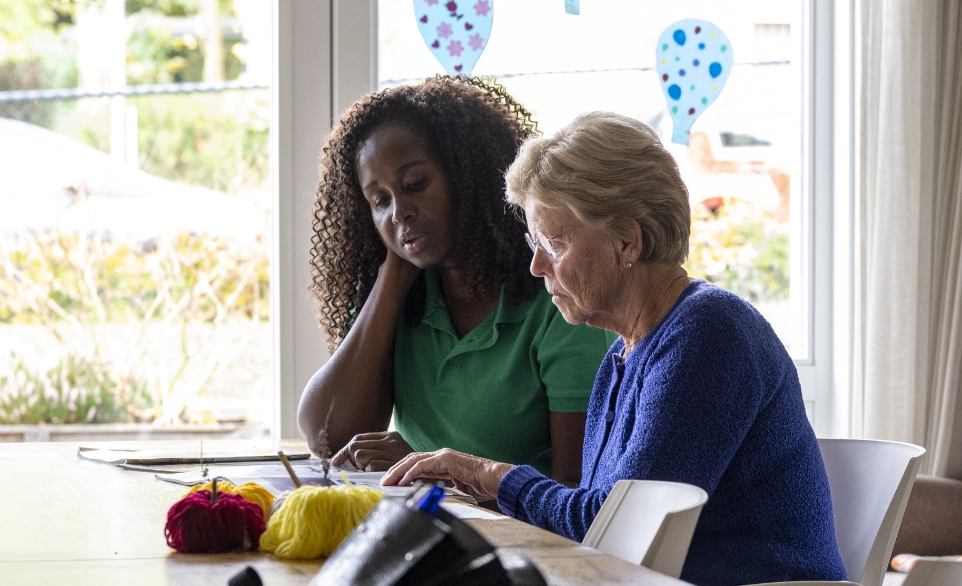


Collaboration is more than a strategy — it’s the heart of sustainable, effective care. No single organisation can meet the complex and evolving needs of individuals, families, and communities on its own. Real change happens when providers, partners, and people come together with a shared vision: to create care systems that are connected, compassionate, and community-driven.
The United in Care philosophy is built on this principle. It recognises that the most impactful care happens not in isolation, but in partnership — when organisations work side by side, pooling knowledge, resources, and purpose to deliver outcomes that last.
In this blog, we’ll explore what collaborative care really means, why it matters, and how providers can build stronger partnerships with the communities they serve.
-
The Case for Collaboration in Care
The UK care sector faces well-known challenges: workforce shortages, growing demand, fragmented systems, and funding pressures. Yet within these challenges lies an opportunity — to work smarter, not just harder.
Collaboration allows providers to:
- Share expertise across health, social care, and community networks.
- Avoid duplication by aligning efforts instead of competing for the same outcomes.
- Deliver continuity of care, ensuring clients experience joined-up support.
- Build resilience, as partners can support one another through capacity pressures.
- Enhance social value, demonstrating a collective commitment to local wellbeing.
In essence, collaboration moves care from a transactional model (“we deliver, you receive”) to a transformational one— where care becomes a shared mission that unites everyone involved.
-
Understanding Collaborative Care
Collaborative care isn’t a buzzword. It’s a structured approach to partnership that integrates multiple stakeholders — care providers, healthcare professionals, local authorities, voluntary organisations, and even clients and families — into one coordinated framework.
The goal is simple: shared responsibility for shared outcomes.
At its best, collaborative care looks like this:
- A homecare provider working alongside GPs and district nurses to ensure continuity of treatment.
- Community organisations delivering social support to complement medical interventions.
- Registered Managers meeting regularly with local councils to align care strategies.
- Clients and families contributing feedback that actively shapes service improvement.
This model doesn’t just improve efficiency — it humanises the system, restoring connection and trust between those who give and receive care.
-
Building Trust: The Foundation of Every Partnership
True collaboration begins with trust — and trust is earned, not assumed.
To build genuine partnerships, care providers must:
- Be transparent about their goals, challenges, and capacities.
- Deliver consistently high-quality service to establish credibility.
- Communicate openly with stakeholders — especially when things don’t go to plan.
- Share success stories that demonstrate the value of working together.
Trust also grows when providers take time to listen — to staff, clients, families, and community partners. When people feel heard and respected, they are more likely to engage meaningfully and share ownership of outcomes.
-
From Competition to Collaboration
Historically, the care market has been shaped by competition — providers bidding for contracts, often against one another, in a race to win business. While this model drives accountability, it can also fragment the system and discourage cooperation.
But forward-thinking providers are beginning to change that narrative. Instead of competing, they’re collaborating for community impact.
Examples include:
- Forming consortia or alliances to bid collectively for regional contracts.
- Partnering with smaller or specialist agencies to deliver holistic packages of care.
- Sharing best practice, staff training, and even resources to build sector capacity.
This shift towards partnership strengthens everyone. By combining forces, providers can offer broader expertise, improved continuity, and better value for commissioners — while reinforcing the idea that care is a shared social responsibility, not a commercial transaction.
-
Practical Steps to Build Stronger Partnerships
Creating effective partnerships doesn’t happen overnight, but every care business can begin by taking a few key steps:
Step 1: Map Your Local Network
Identify the organisations, community groups, and stakeholders that influence or complement your services. Think broadly — beyond healthcare — including housing associations, charities, schools, and local businesses.
Step 2: Initiate Dialogue
Reach out to discuss shared goals. Attend local forums, NHS partnership boards, or social value networks. Building relationships begins with conversation.
Step 3: Co-Create Solutions
Collaboration works best when everyone contributes. Involve partners early when developing new services, designing training, or applying for joint funding opportunities.
Step 4: Formalise Partnerships
Where appropriate, establish Memorandums of Understanding (MOUs) or partnership agreements to clarify responsibilities, expectations, and mutual benefits.
Step 5: Review and Reflect
Schedule regular reviews to assess what’s working, celebrate achievements, and make improvements together.
-
Empowering the Community Voice
Communities aren’t just beneficiaries of care — they are partners in care.
Involving local people in planning and evaluation builds ownership, relevance, and sustainability. This can include:
- Creating client advisory panels to provide ongoing feedback.
- Hosting community listening sessions to identify emerging needs.
- Partnering with local schools and colleges to promote careers in care.
- Supporting volunteer-led projects that complement your service delivery.
By embedding community voices into business decisions, care providers not only improve their services but also build stronger, more trusting relationships with the people they serve.
It’s this two-way exchange — providers listening, communities contributing — that truly defines United in Care.
-
Sharing Data, Insights and Learning
Partnership thrives on shared information.
Too often, care providers operate in silos, with valuable insights locked away in internal systems. But by sharing data securely and ethically, providers can achieve:
- Earlier interventions, through joined-up monitoring and referrals.
- Improved outcomes, by identifying trends across client populations.
- Greater efficiency, reducing duplication of assessments or visits.
Technology plays a key role here — from shared dashboards to digital care records and local information hubs. However, collaboration requires more than tech; it requires a culture of openness and learning.
At Big Sister, we encourage providers to adopt a “teach and share” mindset: when one business learns something that works, others should benefit too. The strength of the sector lies in its collective wisdom.
-
Leadership for a Collaborative Culture
Strong partnerships begin with strong leadership.
Registered Managers and directors set the tone for how collaboration is prioritised and practiced. To foster a culture of cooperation:
- Encourage staff to view other providers as allies, not rivals.
- Celebrate examples of successful partnership working.
- Allocate time for relationship-building in management routines.
- Recognise and reward collaborative achievements during reviews or appraisals.
Leaders who model humility, curiosity, and inclusivity inspire teams to think beyond their own organisation and towards the greater good of the sector.
-
Measuring the Impact of Collaboration
To make collaboration sustainable, it needs to be measurable.
Track indicators such as:
- Number of active partnerships.
- Joint projects delivered or funded.
- Shared training sessions or initiatives.
- Improvements in client outcomes or satisfaction linked to partnerships.
Quantifying success allows providers to demonstrate tangible social value — something commissioners increasingly expect in tender submissions. More importantly, it helps ensure that partnerships stay purposeful and productive, not just well-intentioned.
-
The Big Sister Vision: United in Care
United in Care is more than a slogan — it’s a belief that collaboration is the most powerful tool for transforming the care sector.
Through Big Sister, we’re helping providers connect, collaborate, and grow together. Whether through the Founders Circle, SisterStaff, or the Care for the Future Network, our mission is to build a national ecosystem of providers who support one another — sharing knowledge, capacity, and opportunity.
Because when we unite, we amplify our impact.
The future of care isn’t fragmented — it’s united, inclusive, and built on partnership.
Final Thoughts
In care, no one organisation holds all the answers — and that’s the beauty of it. Each provider, carer, and community partner brings something unique to the table.
Collaboration transforms those individual strengths into collective power. It builds resilience, fosters innovation, and ensures that every act of care contributes to a broader network of wellbeing.
To build the care systems of tomorrow, we must start by connecting today.
Watch our United in Care Playlist on YouTube, and download our brochure, or book a call
Because together, we are not just delivering care — we are building communities that care.
Call to Action:
Join the United in Care Network to connect with like-minded providers, share best practice, and collaborate on projects that strengthen your local community.
Visit www.bigsistercare.com to get involved.