

If someone had told you five years ago that artificial intelligence (AI) would be part of everyday life in care services, you might have laughed.
But here we are — and it’s not the future anymore.
AI is already here. And it’s making a quiet, meaningful difference in how care is delivered.
From risk alerts to rota planning, speech-to-text notes to smart monitoring — digital tools powered by AI are helping care providers reduce admin, spot problems earlier, and deliver safer, more consistent care.
And yet, for many leaders in the sector, the topic of AI still feels confusing, technical, and a bit out of reach.
That’s exactly why I created this blog — to take the fear out of the conversation and show you how AI can serve you, your team, and your service users.
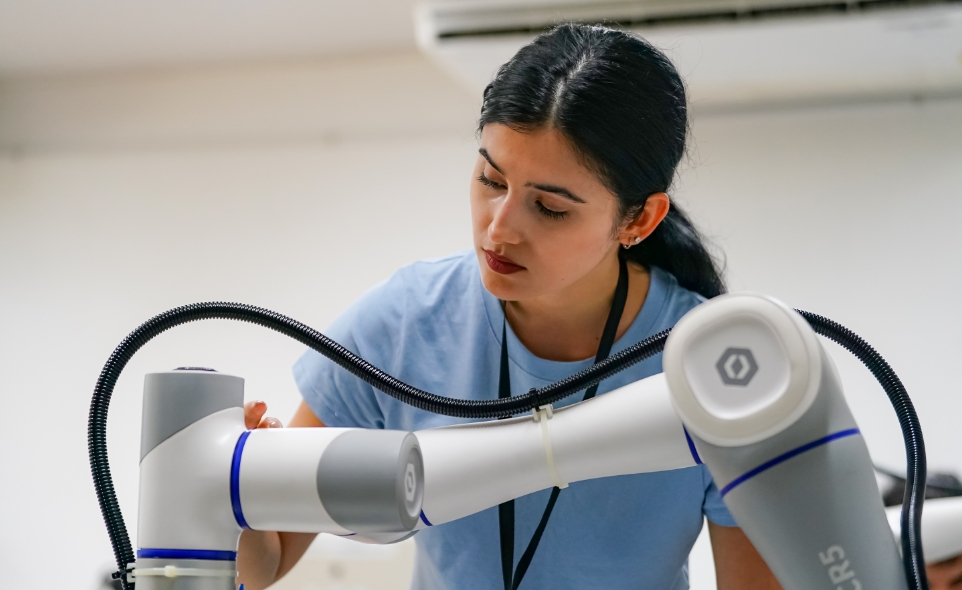
This isn’t about robots taking over.
It’s about using technology to support human care — not replace it.
What Is AI, Really? (No Jargon, I Promise)
AI is often talked about in complicated ways, but here’s a simple explanation:
AI is technology that learns from patterns and data to help make smarter, faster decisions.
It’s like having a digital assistant that notices trends, gives reminders, predicts problems, and flags anything unusual — all based on what it’s learned over time.
It doesn’t replace your judgement. It supports it.
Here are a few key terms you might hear:
- Machine Learning:Tech that gets smarter the more it’s used — like predicting falls based on behaviour patterns.
- Predictive Analytics:Forecasting future events using past data — for example, warning you when someone’s health is about to deteriorate.
- Natural Language Processing (NLP):Tech that understands human speech — useful for voice notes or chatbot-style help.
- Virtual Assistants:Simple tools that help you automate admin or manage tasks more easily.
5 Ways AI Is Already Improving Care
Let’s move past theory and look at what’s already working in real services across the UK:
- Fall Detection and Prevention
AI-powered wearables and in-home sensors now alert teams when a person’s movement becomes unusual — often beforea fall happens.
What this means: Better safety, faster intervention, fewer hospital trips.
- Smart Care Planning Systems
Digital care tools now flag issues like missed meds, declining health patterns, or gaps in notes automatically.
What this means: More accurate records, better audits, stronger CQC readiness.
- Rota Tools That Think Ahead
Scheduling platforms are using AI to suggest shift patterns, spot conflicts, and optimise who works with who — based on preferences and availability.
What this means: Less rota stress, happier teams, and fewer gaps to fill.
- Health Monitoring and Early Warnings
Predictive tools can now spot patterns (like decreased hydration or increased toilet trips) that indicate a UTI or infection risk.
What this means: Earlier action, better outcomes, and stronger personalised care.
- Voice-to-Text Notes for Carers
Instead of typing notes manually, carers can speak and have AI transcribe accurately into care records.
What this means: Less paperwork, more time with clients, and improved documentation.
Will AI Replace Carers?
Let’s be clear: no, it won’t.
Care is — and will always be — deeply human. The warmth, connection, intuition, and empathy that carers provide is irreplaceable.
But what AI can do is:
- Take over repetitive tasks
- Reduce human error
- Help you work smarter, not harder
- Free up time for what matters most: people
As Satya Nadella, CEO of Microsoft, says:
“The ultimate goal of AI is to empower every person and every organisation to achieve more.”
It’s not about replacing people. It’s about releasing people to do their best work.
What About Compliance?
Another common fear I hear from care leaders is:
“Is this even allowed? Will CQC be okay with this?”
The answer is yes — as long as you’re using tech to enhance quality, not cut corners.
In fact, CQC actively encourages innovation where it leads to:
- Safer care
- More person-centred service delivery
- Stronger outcomes
- Better leadership and governance
AI tools can help you prove the quality of your service more clearly — and in real time.
How Big Sister Supports You with AI
At Big Sister, we’re here to support every part of your care business journey — including the digital transformation part.
We work with our founders to:
- Choose the right AI or digital tools for your service
- Explain how to use these tools in plain English
- Show you how to talk about innovation in tenders and contracts
- Help train your team, so no one feels left behind
- Make sure your systems serve your service users — not just your admin
Whether you’re just starting or already trading, we’ll help you make smart, safe, sustainable tech choices that give your care model a competitive edge — without the overwhelm.
Not Sure Where to Start? That’s Okay.
You don’t need to go all-in from day one.
You don’t need fancy systems or massive budgets.
You just need to stay curious — and take one step at a time.
That’s what our Digital Healthcare: AI & Beyond series is here for.
Watch the YouTube Playlist: We break things down simply and show you how real care leaders are using tech to help their services thrive.
Watch the playlist here
Download the Free Guide: AI in Care – Made Simple
We’ve created a no-jargon guide that explains the tech, shows 5 real-world use cases, answers common questions, and helps you plan your next move.
Download the guide here
Final Thoughts
You’ve already proven your commitment to quality care.
Adding smart, AI-driven tools to your business doesn’t change that — it amplifies it.
Because when done right, tech doesn’t make care colder.
It makes it clearer, safer, and more consistent.
So don’t be afraid of the shift.
Let’s make it on your terms, with the right support, and always with people at the centre.
With belief in your brilliance,
Jill
Your Big Sister 💛