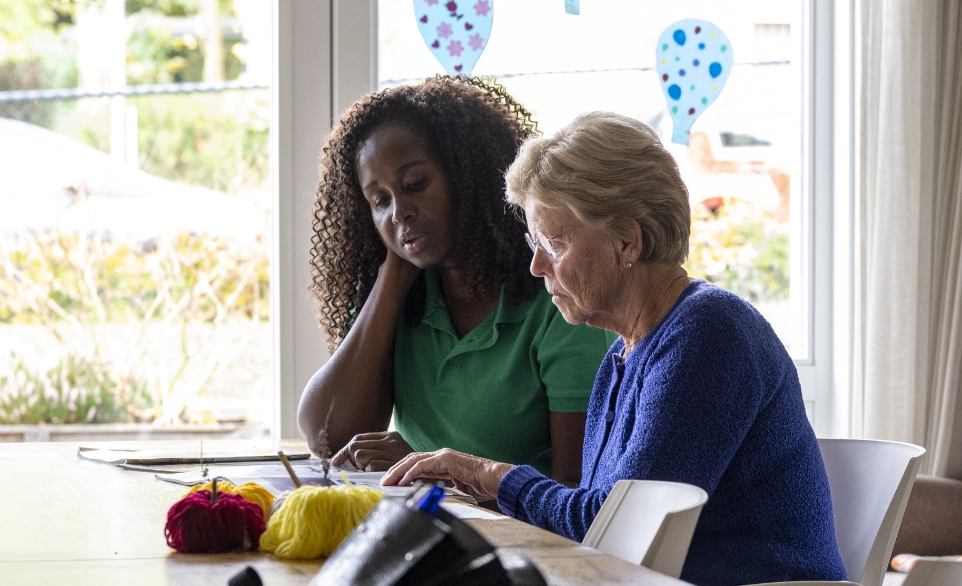


Working in care is often described as one of the most rewarding professions you can choose. You’re helping people live with dignity, supporting families, and making a real difference in your community. That part is true — but it’s not the whole story.
Behind the smiles, thank-yous, and heart-warming moments, care work can be exhausting, emotionally draining, and sometimes incredibly lonely. Many people join the sector with good intentions but aren’t fully prepared for what the day-to-day reality looks like. That’s why we created Life in Care — a place to share honest stories, case studies, and advice so you know what you’re walking into and how to thrive once you get there.
You can watch our Life in Care Playlist on the @bigsistercare YouTube channel for more first-hand experiences and practical advice.
The Early Shock: More Than Just Helping Hands
Most people start in care because they want to help others. That motivation is powerful, but the first weeks on the job can be a shock. You quickly realise that care work is about far more than companionship. It involves personal care, complex medication routines, strict policies, and a huge amount of responsibility.
New carers often say they didn’t expect to become advocates, problem-solvers, and emotional lifelines all in one shift. One minute you’re supporting someone to eat their lunch, and the next you’re helping them process grief, loneliness, or confusion. It’s a lot to carry — and it takes time to adjust.
The Physical Demands
Working in care is physically tough. Long shifts, lifting, helping people move safely, and being on your feet for hours can take a toll. Many new carers underestimate just how physically draining it can be.
This is where self-care becomes crucial. Proper shoes, staying hydrated, and learning safe manual handling techniques aren’t just optional — they’re survival tools. Without them, burnout or injury can sneak up quickly.
The Emotional Load Nobody Warns You About
The hardest part of care isn’t usually the physical side — it’s the emotional weight. You’ll get close to people and, in many cases, you’ll see them decline. Saying goodbye to someone you’ve supported for months or years is heartbreaking.
You might also be the only person a service user sees in a day. That level of connection can feel like an honour, but it can also leave you carrying their loneliness, worries, or frustrations home with you. Too many carers suffer in silence because they feel they have no one to talk to.
That’s why at Big Sister, we’re building spaces where carers can share, connect, and feel less alone. If you’re struggling, know that you don’t have to keep it bottled up.
The Paperwork and Policies
Something else that surprises people is the paperwork. Care is heavily regulated in the UK — and rightly so, because people’s lives and safety are at stake. But that means every visit, every task, every handover comes with documentation.
It can feel overwhelming at first, especially if you imagined your day would just be about talking to people and offering support. But getting into the habit of accurate, timely recording is essential. It protects you, your clients, and your employer — and it helps build trust with inspectors and families.
The Joy That Keeps You Going
Now, let’s talk about the part that makes it all worth it. The joy.
There’s something deeply rewarding about seeing someone light up because you helped them achieve something they didn’t think they could do. It might be as small as sharing a laugh, helping them cook their favourite meal, or getting them safely to an appointment. These moments are why so many carers stay in the profession despite the challenges.
Care teaches you patience, resilience, and perspective like few other jobs can. It reminds you of the value of human connection, even in the smallest acts. And while you may come home tired, you’ll often come home proud.
Advice for Those Thinking of Starting
If you’re considering a career in care, here are a few truths from people who’ve been there:
- Be prepared for the emotional side. It’s not just a job — it’s a relationship with real people.
- Find your support network. Don’t keep things to yourself. Connect with colleagues, mentors, or online communities.
- Take care of yourself. You can’t pour from an empty cup. Protect your health, rest when you can, and set boundaries.
- Stay curious. Training is essential but so is learning from each shift. Every person you support will teach you something new.
- Celebrate the wins. Even on hard days, there are small victories that matter. Hold onto them.
Where to Go Next
The truth is, care isn’t for everyone — and that’s okay. But if it is for you, it can become a lifelong passion and a career full of meaning.
If you’d like to hear more first-hand stories from carers, advice on surviving your first shifts, and practical tips to avoid burnout, head over to our Life in Care Playlist on the @bigsistercare YouTube channel.
These videos feature voices from across the sector, sharing openly about what it’s really like to work in care in the UK today.
Don’t forget to subscribe, so you always have support in your pocket, any time you need it.
Follow @bigsisterhomecare on Instagram for ongoing updates.
Download our brochure or book a call
Because at Big Sister, we believe no one should feel like they have to figure this out alone.