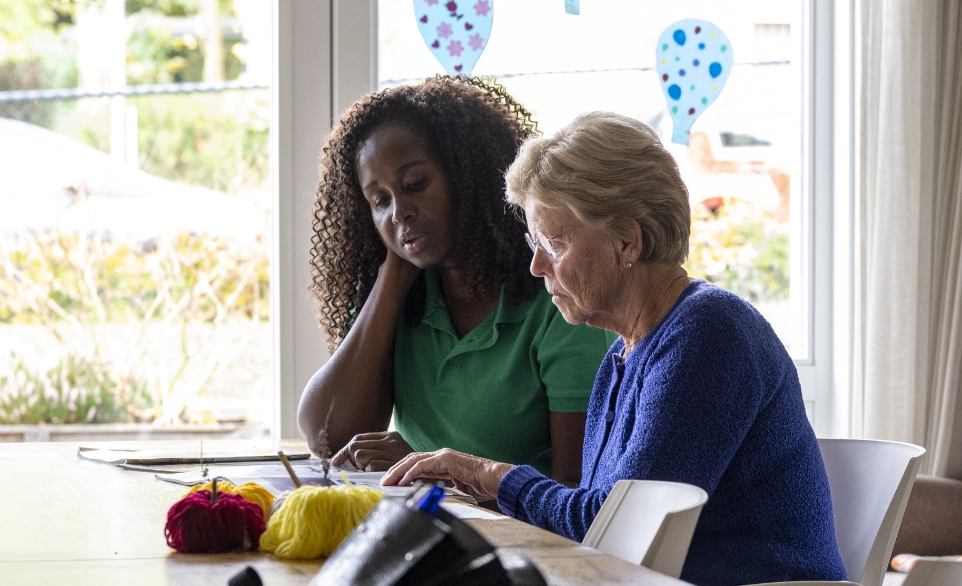


In the care sector, your impact is only as strong as your connections. While much attention is given to staffing, funding, and compliance (all crucial), one element is often overlooked—the power of partnerships.
Whether you’re running a new homecare business or have decades of experience in the field, building a strong local network can make the difference between surviving and thriving. In today’s blog, we’ll explore why partnerships matter more than ever in 2025, what types of partnerships to pursue, and how to get started—even if you’re the new name on the block.
Don’t forget to check out the United in Care playlist on our @bigsistercare YouTube channel for more insights and real-life stories from care providers collaborating for good. And follow us on Instagram @bigsisterhomecare for daily tips, inspiration, and connection.
Why Local Partnerships Are a Game-Changer
The care sector isn’t an island. It’s part of a vast ecosystem of healthcare, education, housing, community support, employment, and voluntary services. Working in isolation is not only exhausting—it limits your impact.
Here’s what a well-built local network can do for your care business:
Increase referrals
When hospitals, GPs, schools, or housing associations know and trust you, they’re more likely to refer individuals and families in need of your support.
Improve outcomes for clients
By collaborating with mental health services, addiction support, cultural groups, and local charities, you provide truly wraparound care.
Strengthen your bids
Buyers want to see community integration. Showing active, meaningful partnerships in your bids scores points for social value and sustainability.
Build trust in your brand
You become the go-to provider in your area when people see you as embedded in the community, not just a service ticking boxes.
What Makes a Great Local Partnership?
Not every connection is the right one. The best partnerships share three traits:
- Aligned values – You both care about the same outcomes.
- Mutual benefit – You’re both gaining something (even if it’s just improved reach or credibility).
- Clear communication – You check in, share updates, and celebrate wins together.
10 Types of Partnerships to Prioritise
If you’re unsure where to begin, start here:
- GP surgeries and health centres – Offer workshops, leaflets, or staff lunch-and-learns to build visibility.
- Hospitals and discharge teams – Become the provider they trust when patients need home support.
- Schools and SEN teams – If you offer support for children or families, schools are vital allies.
- Faith-based organisations – Many provide support for isolated individuals and would value trusted partners.
- Community centres and local councils – These often host events or initiatives where your involvement boosts visibility.
- Food banks and housing charities – Many of your future clients interact with these services before they need care.
- Mental health organisations – Especially important for holistic support.
- Police and domestic violence support services – Help keep vulnerable individuals safe at home.
- Local colleges and apprenticeship hubs – Great for recruiting and offering placements.
- Other care providers – Yes, even the “competition.” You never know when you’ll need to cross-refer or collaborate on a contract.
How to Start a Local Partnership (Even if You’re New)
Partnerships take trust—and trust takes time. But there are simple steps to start building:
-
Attend Local Events
Council meetings, public health forums, carer coffee mornings—show up, introduce yourself, and listen.
-
Reach Out Intentionally
Instead of sending a blanket email, reach out to a specific organisation and say:
“We admire the work you’re doing at [name]. We’d love to connect and explore how we might support your goals or share insights from our side.”
-
Offer Value First
Could you offer a wellbeing session? Print leaflets to hand out? Share a community event on your socials? Little things build goodwill.
-
Keep the Relationship Alive
Don’t disappear after one chat. A monthly check-in, a shared newsletter, or a co-hosted event goes a long way.
Buyers Notice Your Network
In 2025, buyers aren’t just looking at what you do. They’re looking at who you do it with.
Care businesses with strong community partnerships:
- Score higher in social value
- Show sustainability through shared resources
- Demonstrate local relevance and cultural understanding
- Are more likely to retain clients and staff due to trust and visibility
In short, they win more contracts.
Big Sister’s Role: United in Care
Our United in Care initiative exists to:
- Help you map and build local partnerships
- Share examples of collaborative impact through blogs and videos
- Create a UK-wide network of providers working together—not against each other
Check out the United in Care YouTube playlist and follow @bigsisterhomecare for more.
We’ll show you what true partnership looks like in practice.
Final Word from Jill
“When I started Big Sister, I knew collaboration had to be part of our DNA. I’ve worked with over 500 care companies and the ones who thrive the most are those who connect. You’re not just building a business. You’re building a network that lifts your whole community.”
— Jill Hudson, Founder of Big Sister
Ready to Build a Local Network That Works for You?
- Email us: hello@bigsistercare.com
- Watch more: United in Care Playlist
- Follow us on Instagram: @bigsisterhomecare
- Download our brochure or book a call
Together, we’re not just building care businesses—we’re building stronger communities.